




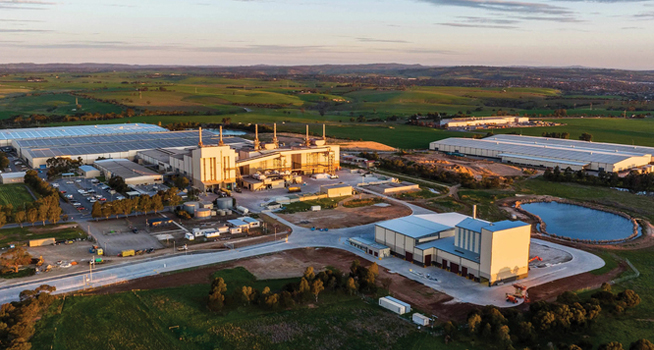
Orora is marking the first 12 months of operation of its high efficiency G3 oxyfuel glass furnace located at Orora’s South Australian glass manufacturing site at Gawler.
The AUD 130 million rebuild and upgrade of the Gawler G3 furnace, including a AUD 12.5 million Australian Government grant under the Modern Manufacturing initiative, has reduced natural gas consumption by 32 percent, eliminating more than 13,000 tonnes per annum of carbon dioxide CO2 emissions, while nitrogen oxides emissions have fallen by more than 70 percent compared with the previous recuperative furnace.
The results highlight the role of oxyfuel technology in decarbonising energy intensive industrial processes while maintaining productivity at scale.
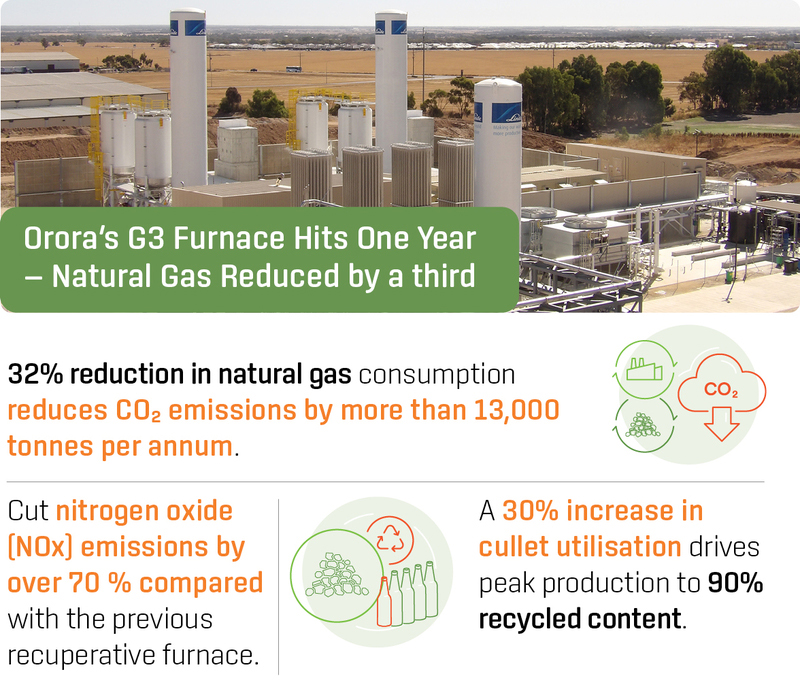
The G3 furnace replaces a traditional air fuel design with oxyfuel melting, supported by on site oxygen generation. By removing nitrogen from the combustion process, the furnace operates at higher thermal efficiency, directly reducing fuel use and associated emissions. The upgraded design has also nearly doubled electric boosting capacity compared with the previous furnace, enabling increased use of electrical energy and further reducing reliance on natural gas in glass production.
Despite the additional electricity required to generate oxygen, the furnace has delivered a net reduction in emissions, contributing materially to Orora’s Scope 1 and Scope 2 emissions performance. When combined with increased use of recycled glass, total CO2 savings now exceed 27,000 tonnes per annum.
Performance of the furnace has been further enhanced by Orora’s onsite glass beneficiation plant, which has enabled a substantial increase in recycled glass (or cullet), usage. The beneficiation plant can process up to 150,000 tonnes of glass each year, which is equivalent to approximately 330 million wine bottles or 750 million beer bottles. Helping to increase cullet utilisation by more than 30 percent, with peak production periods sometimes achieving up to 90 percent recycled content.
The oxyfuel furnace is a cornerstone of Orora’s long term sustainability strategy, supporting its global targets to reduce emissions intensity per tonne of glass by 60 percent by FY35 and increase post consumer recycled content in coloured glass to 68 percent by FY35.
The Gawler furnace now produces more than 475 tonnes of glass per day, making it Australia’s largest glass furnace and demonstrating that emissions reduction and industrial scale can progress together.