




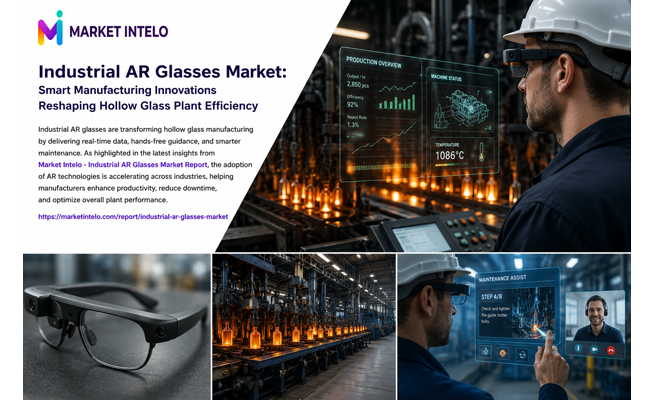
The manufacture of hollow glass is under severe pressure to produce things more quickly, reduce production stops and produce items of a perfect quality. Since the entire production process must be exact throughout the entire production process, from the furnace to the packaging area, any mistake made during the production process will cause expensive waste as well as being a potentially dangerous environment to work in.
As a way to help solve these production problems, manufacturers of hollow glass are being driven to fully integrate industrial Augmented Reality (AR) glasses into their manufacturing processes.
The growth of the Industrial AR Glasses market has been very fast, as businesses are trying to implement digital technology faster and to find different ways to increase the efficiency of their operations, productivity of their workers and ability for people in different locations to be able to work together in real-time.
In 2025, the markets were worth USD 4.2 billion, as businesses increasingly adopted augmented reality technology in their manufacturing, logistics, health care and construction operations. According to MarketIntelo, by 2034, it’s projected that the total market will have nearly doubled (by approximately 4.9 times) to USD 19.8 billion dollars, reflecting a CAGR of approximately 21.3 percent during the period from 2026 to 2034.
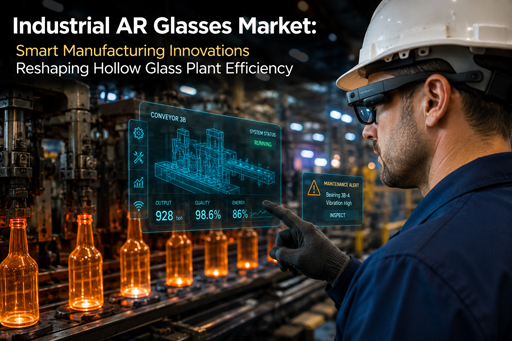
Industrial AR glasses are driven by an increasing demand for hands-free operation at the shop floor. Operators of sophisticated equipment, working in extreme temperatures, are able to see relevant data in their line of site, which changes how maintenance and troubleshooting is completed.
With manufacturers suffering high costs from unanticipated downtime due to equipment failure, AR glasses give technicians two free hands to receive step-by-step directions; perform live diagnostic checks; and receive real-time assistance from remote experts while making repairs more quickly and increasing their overall first-time success rate, helping to ensure that production continuously runs smoothly.
Quality is essential for maintaining consistency in a large transaction of manufacturing. A small visual or structural flaw is enough to create a scrap or reworked part. With AR glasses integrated into plant vision systems, an inspector will have access to real-time reference information and alerts when they reach thresholds, which allows corrective actions to be performed before defects occur.
AR devices have also been utilised to reduce supervision and manual reading during training new employees. Through guided, interactive training on-the-job, the learning curve for new operators is shortened, as is process consistency across shifts.
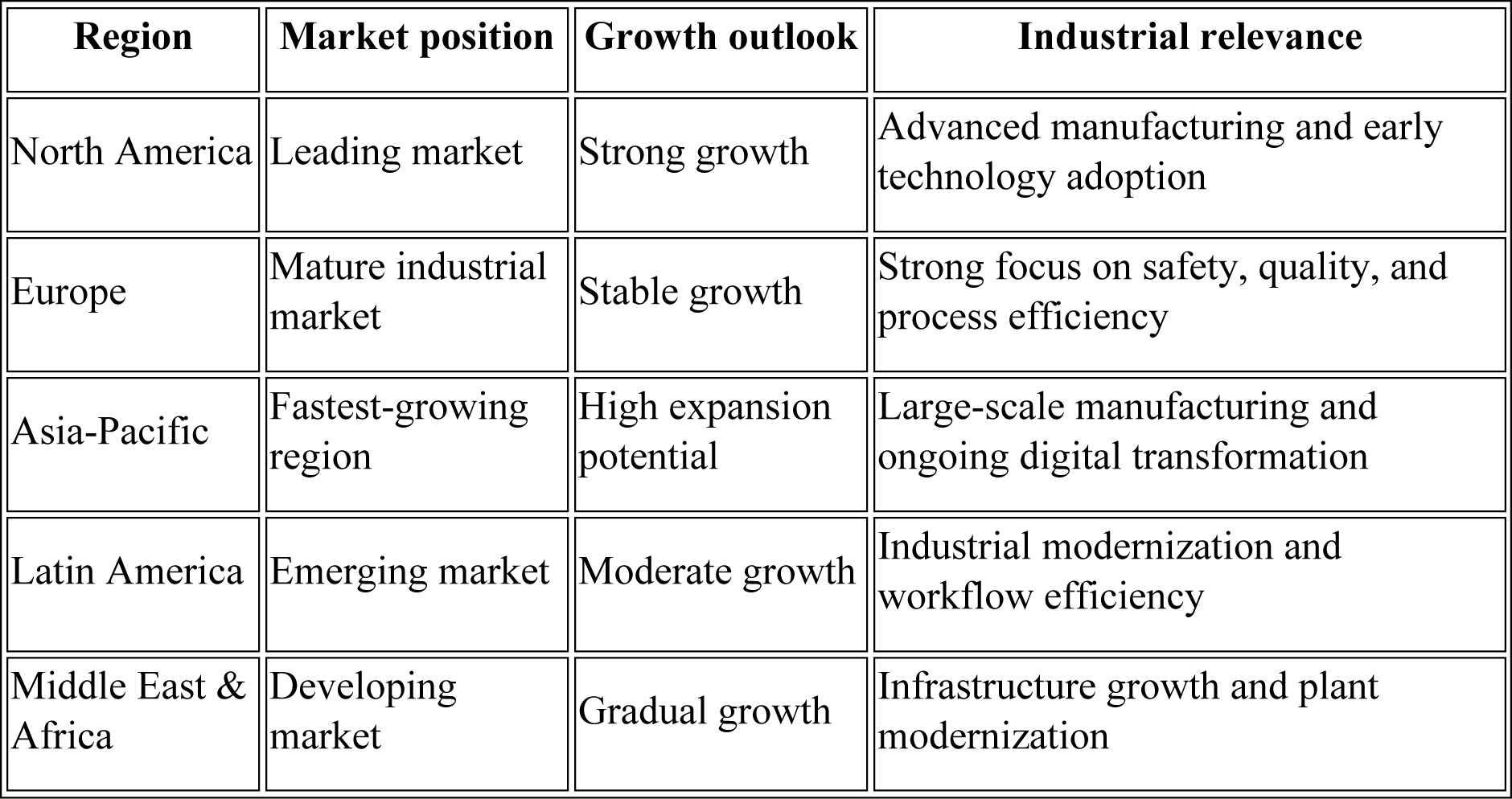
The AR market is seeing the fastest growth in the Asia-Pacific region due to rapid digitalisation of manufacturing; however, North America and Europe are leading with advanced automation technology and strict safety regulations. As AR integrates with IoT and predictive analysis, glass manufacturing will continue to become an Industry 4.0 solution where data gives skilled personnel a competitive edge through connected factories that respond quickly.
The full report is available here.