


The Glass Recycling Foundation (GRF) has released its 2025 Impact Report, highlighting measurable progress in strengthening glass recycling systems across the U.S through strategic grant-making and industry collaboration. At a time when only one-third of glass is currently recovered for recycling and 9.2 million tonnes of glass still go to landfills annually, GRF’s work continues to address infrastructure gaps and expand access to glass recycling.
In 2025, GRF awarded USD 76,000 in grants that supported five projects, diverting 4,459 total tonnes of glass or over 8.9 million pounds of glass from landfills. These efforts are made possible by the generous donations from beverage brands, glass manufacturers, community foundations, trade associations, and other organisations that understand the value of recycling glass.
“Our impact has grown more than sevenfold since 2022—from 600 tonnes diverted to 4,459 tonnes this year. That progress is a direct result of the donors, partners, and communities who believe stronger glass recycling systems are possible,” said Scott DeFife, GRF Board President. This progress underscores GRF’s continued commitment to strengthening glass recycling access, improving material quality and supporting innovative solutions that build more resilient recycling systems.
Notable 2025 funded projects supported by a GRF grant include:
- Baldwin County, AL — USD 21,000 Awarded: Grant funding supported the purchase of collection containers, a glass crusher, and resident education to launch a new rural recycling program. In its first year, the program collected 24.4 tonnes of glass and served more than 3,000 residents in an area with limited end markets.
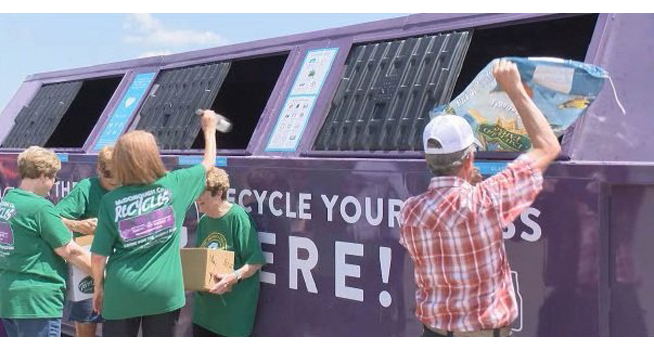
- City of Macomb, IL — USD 15,000 Awarded: Funding supported the purchase of a glass dumpster from Ripple Glass to expand recycling access in McDonough County. In its first year, the program collected 5.4 tonnes of glass and built strong community engagement through partnerships and public outreach.
- City of Omaha, NE — USD 13,000 Awarded: Grant funds enabled the purchase of a 20-yard roll-off container and 3,000 residential totes to improve operational efficiency and expand participation. In 2025, glass collection increased 4 percent, reaching 1,692 tonnes and serving approximately 140,000 households.