




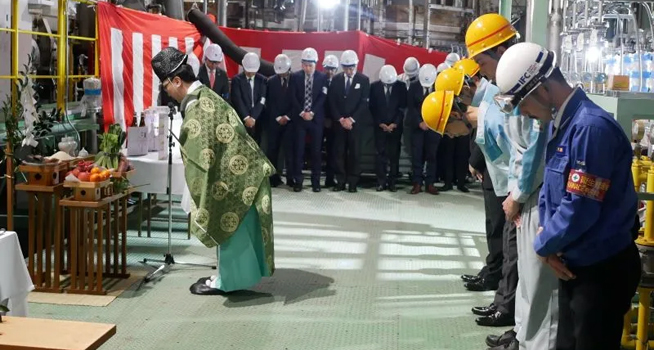
TOYO GLASS, a consolidated subsidiary of Toyo Seikan Group Holdings, commenced operation of one large glass melting furnace for glass bottles that utilises an oxygen combustion method at its Plant in Kashiwa, Chiba Prefecture, Japan, on March 31, 2026.
The oxygen combustion method uses high-concentration oxygen instead of air. By introducing this method, combustion without nitrogen becomes possible, improving heat transfer efficiency to the glass. As a result, greenhouse gas (GHG) emissions per melting furnace will be reduced by approximately 20 percent compared to conventional methods, while maintaining the same production volume.
Furthermore, the adoption of this method eliminates the need for a heat storage chamber that uses a large amount of heat storage bricks. TOYO GLASS will pursue the reduction of environmental impact throughout the entire product lifecycle and deliver valuable containers that contribute to their customers’ decarbonisation management.
According to TOYO GLASS, as of March 2026, this is the first introduction in Japan of an oxygen combustion system in a glass bottle melting furnace with a production capacity exceeding 200 tonnes per day.
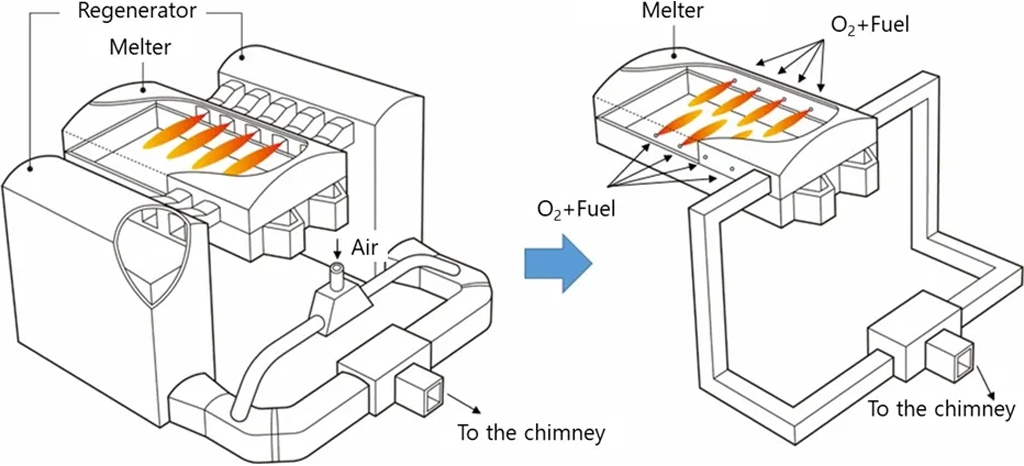
The glass bottle industry faces a unique challenge in GHG emissions due to the high energy required for high-temperature combustion in melting furnaces. TOYO GLASS has long strived to balance business activities with global environmental protection, and has been working to promote energy conservation and recycling. The introduction of the oxygen combustion system was launched in May 2024 as one of the most important measures to contribute to energy conservation and the realisation of a decarbonised society, and has commenced operation after approximately two years of preparation and construction.
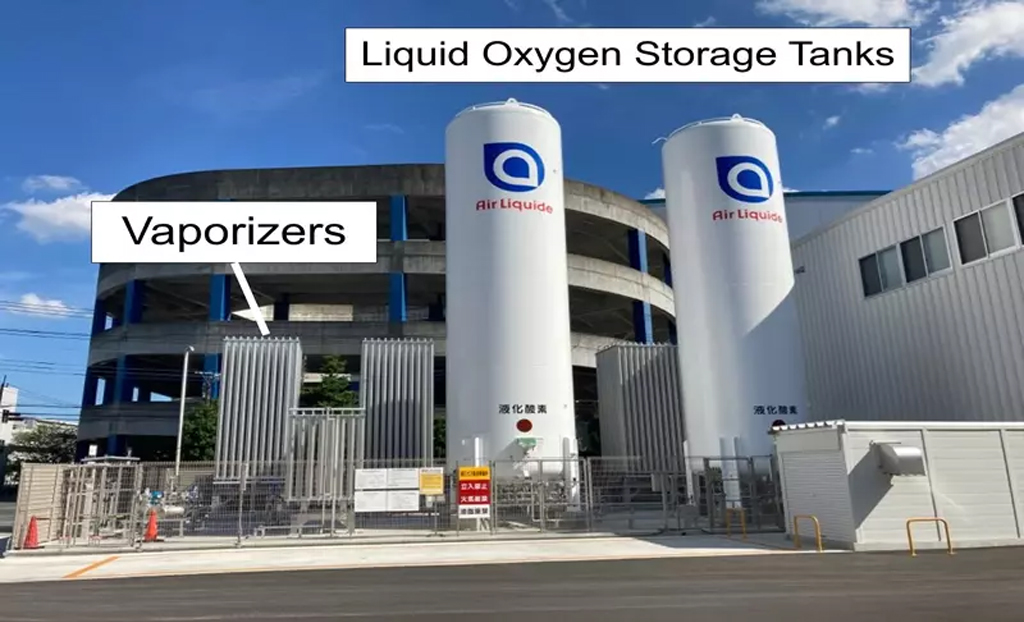
This initiative will serve as a model case for driving decarbonisation in the glass bottle industry. Furthermore, starting with the full-scale operation of this oxygen combustion method, TOYO GLASS will continue to promote the introduction of the latest technologies and strive to reduce its environmental impact through a multifaceted approach. In order to contribute to the realisation of a sustainable society, the company will work together with its customers, suppliers and local communities to provide more environmentally friendly glass bottles and innovate its manufacturing processes.