



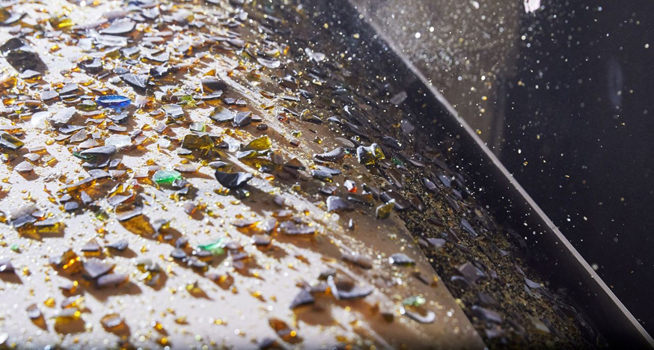
Glass recycling makes quite a significant difference.
Every 10 percent increase in recycled glass used in production saves:
• 2.5 percent energy
• 5 percent CO2 emissions
And that’s just part of the impact.
Glass is made from natural raw materials and can be recycled endlessly without losing quality, making it one of the key materials for a circular economy.
Across Europe, recycling glass already saves millions of tonnes of primary raw materials every year. Because it melts at lower temperatures than raw materials such as quartz sand, it also reduces the energy needed in production.
This progress is visible across the industry:
• glass containers are 30 percent lighter than 20 years ago
• production today generates 70 percent fewer CO2 emissions than 50 years ago.
Glass recycling is already well established in Europe, with 80.1 percent of glass packaging collected and 92 percent of it actually recycled.
The majority of packaging glass used in Europe is not only recycled in Europe, but in the country of use. This keeps transport short and has an additional positive effect on emissions. But Vetropack aims even higher and the company is working to further increase the proportion of recycled glass in production. As part of its SBTi (Science Based Target initiative) target, Vetropack has committed to reducing emissions from its production (Scope 1 emissions) by 50.4 per cent by 2032, with increased use of recycled glass playing a key role in achieving this goal.
The more recycled glass is used, the greater the environmental benefit.